

 Tiếng Việt
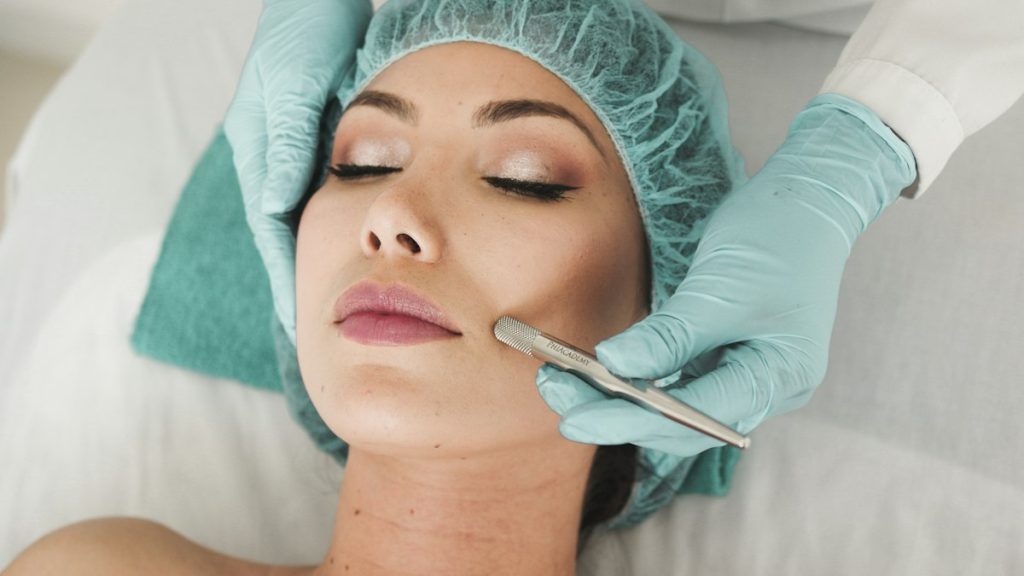
Hello future salon owners! The Home Spa and Salon Suite business model has become an explosive entrepreneurial trend in the US due to its optimized operating costs and exceptionally high retained profits. However, behind this flexibility lies a strict legal framework. If neglected, you could face hefty fines or permanent revocation of your professional license.
1. State Board Regulations and Professional Licenses
The State Board is the most powerful governing body for beauty businesses in the US. Whether you work in a large spa or a corner of your living room, the core rules remain unchanged:
- Personal License: You must hold a valid state Cosmetologist, Esthetician, or Nail Technician License.
- Establishment License: Many owners mistakenly believe a personal license is enough. In most states (such as California, Texas, Florida), opening a Home Spa or Salon Suite requires an additional business Establishment License.
- Sanitation and Disinfection Standards: State Boards strictly inspect autoclaves/UV sanitizers, chemical storage, and medical waste disposal protocols (for advanced treatments like microneedling or extractions).
2. Strict Separation Between Living Quarters and Service Areas
This is the biggest challenge when running a Home Spa. State Board inspectors and local Zoning Departments strongly reject any mixing of commercial spaces with family living areas.
“The Golden Rule: Clients must never walk through your living room, kitchen, or family common areas to access the treatment room.”
- Private Entrance: The service room must feature a separate entrance from the outside leading directly to the workspace without passing through private home areas.
- Dedicated Restroom: Depending on local county or city laws, you may be required to provide a separate restroom exclusively for clients, separate from the family’s facilities.
- Physical Barrier: The beauty area must be completely separated from the residential living quarters by walls and locking doors.
3. Liability Insurance – Your Asset Protection Armor
Many Home Spa owners skip purchasing insurance due to their small scale. This is a fatal mistake. A client suffering a chemical reaction, slip-and-fall accident, or skin damage during a service can sue you for hundreds of thousands of dollars.
You must secure at least two essential types of coverage:
- General Liability Insurance: Protects you if a client is injured or slips on your premises.
- Professional Liability Insurance / Malpractice Insurance: Covers risks directly arising from technical procedures (such as wax burns or chemical reactions from lash/nail services).
4. Core Preparation Steps for Successful Launch
To avoid feeling overwhelmed, follow this standardized roadmap from Biz Mentra:
- Step 1: Check Zoning Laws: Contact your city office or check their website to confirm if home-based businesses are permitted in your residential zone. Avoid fines from your HOA (Homeowners Association).
- Step 2: Form a Business Entity: Register an LLC to protect your personal assets from business litigation risks.
- Step 3: Design a Compliant Space: Invest in minimalist, easy-to-clean furniture and install proper ventilation systems to eliminate chemical odors.
- Step 4: Build a Management System: Use booking software and store electronically signed client waiver forms prior to every treatment.
In summary, opening a Home Spa or Salon Suite is a fantastic path to optimize profits, but absolute professionalism must come first, starting with the smallest legal documents. Do it right from day one to ensure sustainable growth!
