

 Tiếng Việt
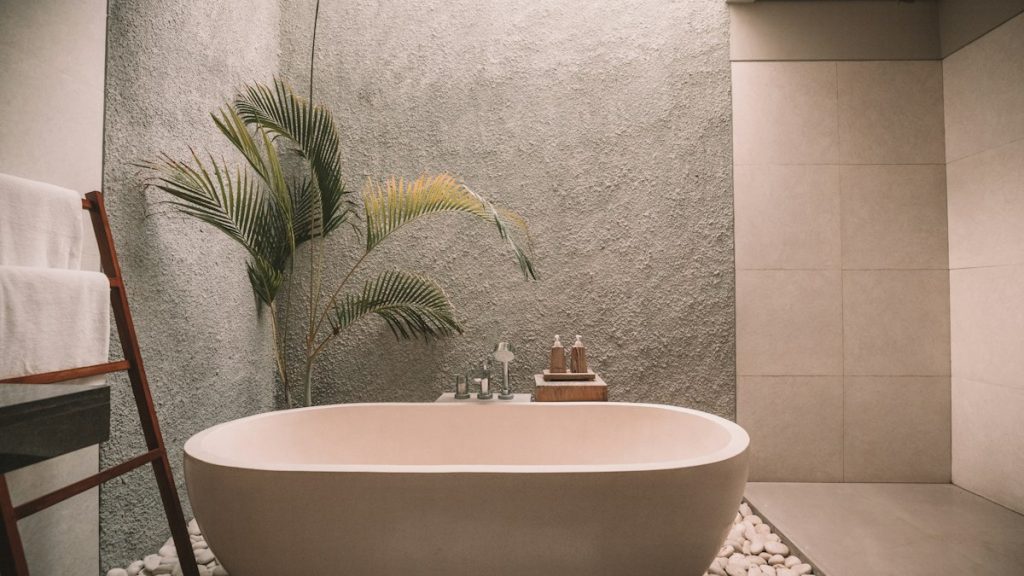
The Home Spa and Salon Suite business model in the US is experiencing a massive boom due to low initial startup costs and high profit-optimization potential. However, beneath this flexibility lies a strict matrix of legal regulations enforced by local authorities and the State Board.
1. Understanding State Board Regulations and Licensing
To legally operate a Home Spa or Salon Suite, the absolute prerequisite is holding a valid Cosmetology or Esthetics License issued by your state’s Board. For Home Spas, the State Board enforces standards just as rigorous as traditional brick-and-mortar salons:
- Establishment License: The service area must be officially licensed; living spaces cannot overlap with the designated beauty service area.
- Personal Licensure: Technicians must prominently display their valid licenses in clear view of clients within the workspace.
2. Strict Separation Between Living Quarters and Service Areas
This is the biggest legal trap where many US Home Spa owners face heavy fines or license revocation. Health and zoning departments strictly mandate:
- Separate Entrance: Clients must not walk through the family living room, kitchen, or private residential areas to access the treatment room.
- Dedicated Restroom Facilities: Depending on state laws (such as California or Texas), a separate client restroom may be mandatory, preventing shared use with family members.
- Physical Barriers: The treatment space must feature solid walls and a closed door, completely isolating it from the residential area to maintain strict sanitation and infection control standards.
3. Liability Insurance – Your Ultimate Safety Net
Beauty services inherently carry risks of accidents, chemical allergies, or cross-contamination. General Liability Insurance and Professional Liability Insurance (Malpractice) are non-negotiable. Ensure your insurance provider fully understands your Home Spa model to prevent claim denials in case of disputes involving personal assets.
“Never risk your career and personal assets by bypassing zoning laws or State Board requirements. True professionalism begins with absolute compliance.” – Biz Mentra Expert.
4. Core Preparation Steps for a Successful Launch
To sustainably build your Home Spa/Salon Suite dream, follow these sequential steps:
- Check local Zoning Laws at your City Hall to verify if home-based commercial beauty services are permitted in your residential zone.
- Form a Business Entity (LLC) to safeguard your personal assets against unexpected legal liabilities.
- Invest in medical-grade equipment, UV sterilizers, and compliant hazardous waste disposal systems.
- Establish Standard Operating Procedures (SOPs) covering client intake, sanitation protocols, and post-service cleanup.
Meticulous legal preparation is your golden ticket to confidently scaling your personal beauty brand on a rock-solid foundation.
