

 Tiếng Việt
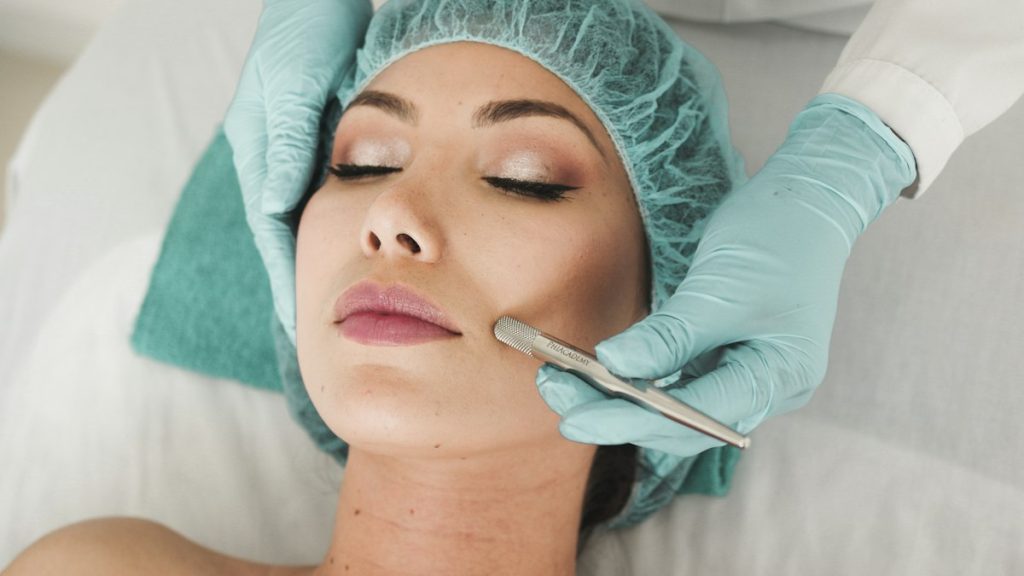
The Home Spa and Salon Suite business model is experiencing a massive boom in the US, Canada, and Europe due to low initial capital investment, high profit margins, and schedule flexibility. However, behind this appeal lie strict legal traps enforced by state regulatory bodies. As a strategic business mentor at Biz Mentra, I will break down the complete legal framework, licensing requirements, and tactical strategies to help you launch successfully without running afoul of the law.
1. Understanding State Board Regulations
In the US, each state has its own regulatory board governing cosmetology and esthetics. Operating a home-based business or salon suite requires strict adherence to sanitation, safety, and licensing standards:
- Personal License: You must hold a valid Cosmetologist or Esthetician license in the state where you practice.
- Establishment License: Even if you operate out of your own residence (Home Spa), the service area must apply for an independent business establishment license. The State Board will dispatch an inspector to physically review your space before issuing the license.
- Spatial Independence: The treatment room must feature a separate entrance, completely isolating it from family living quarters. It must not have direct access doors connecting to the living room or bedrooms.
2. Zoning and Spatial Separation: Living vs. Service Areas
This is the most common pitfall that results in heavy fines or immediate shutdowns during the first State Board inspection:
- Local Zoning Laws: You must check with your local City Hall to confirm if your residential area permits a Home Occupation Permit for commercial activities.
- Walls and Pathways: The spa space must be entirely partitioned by fixed floor-to-ceiling walls. Clients must never walk through your kitchen or personal bedrooms to access the treatment room.
- Dedicated Restrooms: Depending on state regulations, you may be required to install a separate restroom dedicated solely to clients, avoiding shared facilities with your family.
3. Professional and General Liability Insurance
Never risk operating a Home Spa without proper insurance coverage. Working from home exposes you to client injury risks (slips, chemical allergies, machine burns) that can threaten your personal assets and your home.
- Professional Liability Insurance: Protects you against claims related to professional errors or omissions during beauty treatments.
- General Liability Insurance: Covers medical and legal expenses if a client is injured while on your property.
- Homeowner’s Insurance Rider: You must notify your homeowner’s insurance provider about your home-based business and purchase an endorsement rider, as standard home policies will deny coverage for commercially related accidents.
4. Practical Preparation Steps with Biz Mentra
To build a bulletproof Home Spa or Salon Suite from the ground up, follow this standardized roadmap:
- Step 1: Verify zoning laws with your local city hall.
- Step 2: Finalize floor plans, ensuring strict physical separation between living and service zones.
- Step 3: Register your business entity (LLC) and secure all mandatory insurance policies.
- Step 4: Submit your Establishment License application to the State Board and prepare for the physical site inspection.
“A solid legal foundation is the ultimate shield protecting your cash flow and entrepreneurial career abroad.” – Biz Mentra.
